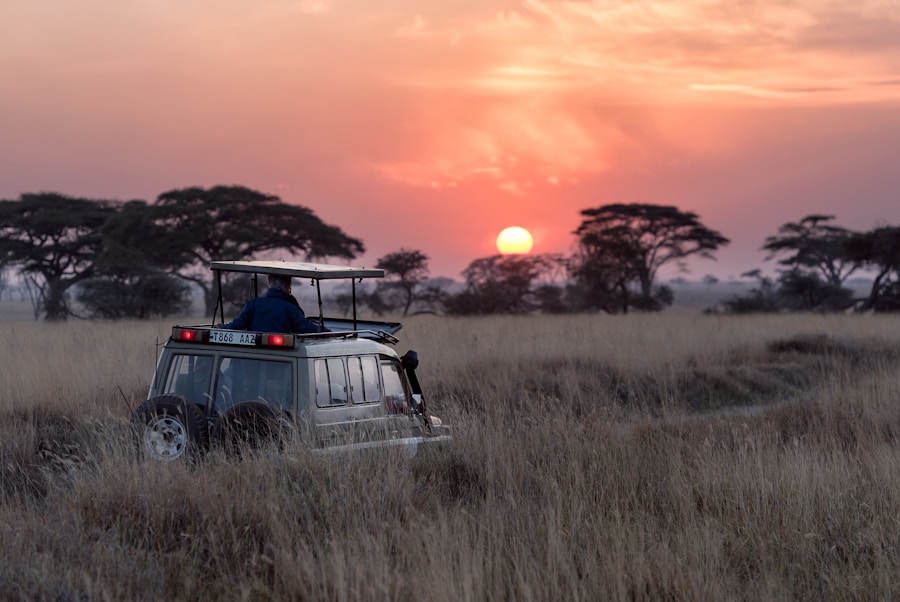
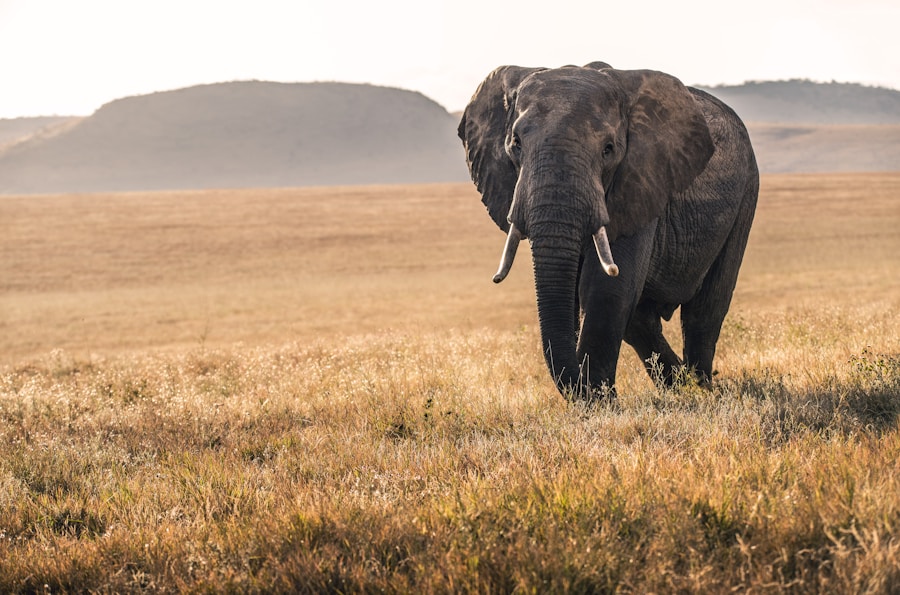
Known for its giant baobab trees and massive elephant herds, Tarangire National Park is one of Tanzania's most underrated safari gems. Spanning 2,850 square kilometres, it offers some of the highest wildlife density outside the Serengeti during the dry season.
From June to October, thousands of elephants, wildebeest, zebra, and buffalo migrate to the Tarangire River — the park's lifeline. The ancient baobab-studded landscape creates a uniquely photogenic backdrop unlike any other park in East Africa.
Plan My Tarangire Safari →Wildlife: Elephant, Lion, Leopard, Buffalo, Wildebeest, Zebra, Giraffe, Python, 550+ bird species
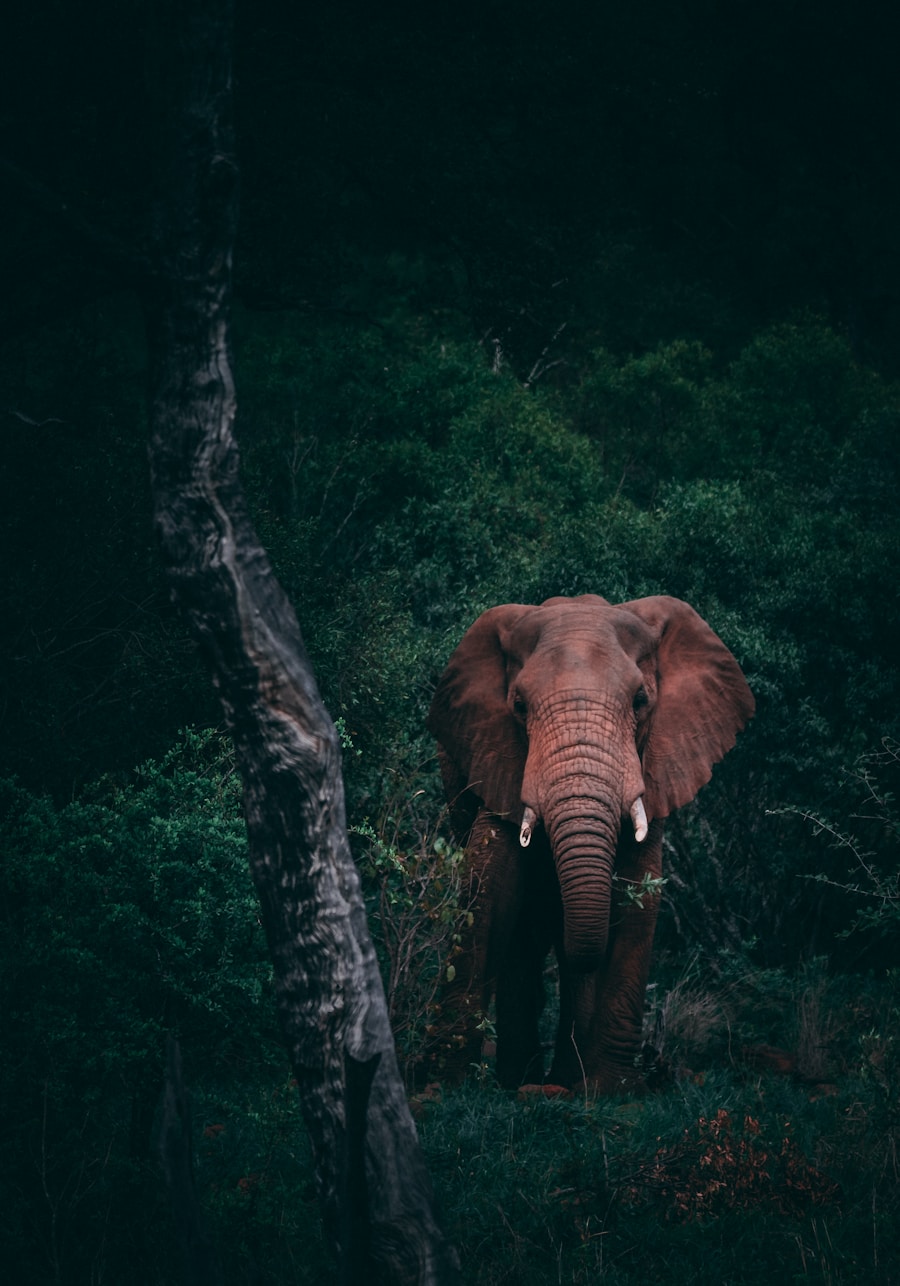
A UNESCO World Heritage Site and one of the oldest ecosystems on Earth. The Serengeti's name means "endless plains" in the Maasai language — and standing here, you'll understand why. Over 14,763 square kilometres of untouched wilderness stretching to every horizon.
Home to the largest concentration of large mammals on the planet, the Serengeti is the southern half of the Great Migration circuit. Witness calving season in the south (January–March), predator hunts in the central plains, and river crossings in the northern corridor.
Plan My Serengeti Safari →Wildlife: Lion, Cheetah, Leopard, Elephant, Wildebeest, Zebra, Giraffe, Hippo, Wild Dog, Hyena
The world's largest intact volcanic caldera — a natural arena 20 kilometres wide and 600 metres deep — shelters over 25,000 large animals within its walls. Often called "Africa's Garden of Eden," it is one of the few places in Tanzania where the endangered black rhino can be reliably spotted.
The Ngorongoro Conservation Area also encompasses Olduvai Gorge, where some of humanity's earliest ancestors were discovered. A safari here is a journey through geological time and natural wonder, offering unmatched game density in a breathtaking caldera setting.
Plan My Ngorongoro Safari →Wildlife: Black Rhino, Lion, Elephant, Buffalo, Flamingo, Hippo, Wildebeest, Zebra, Hyena
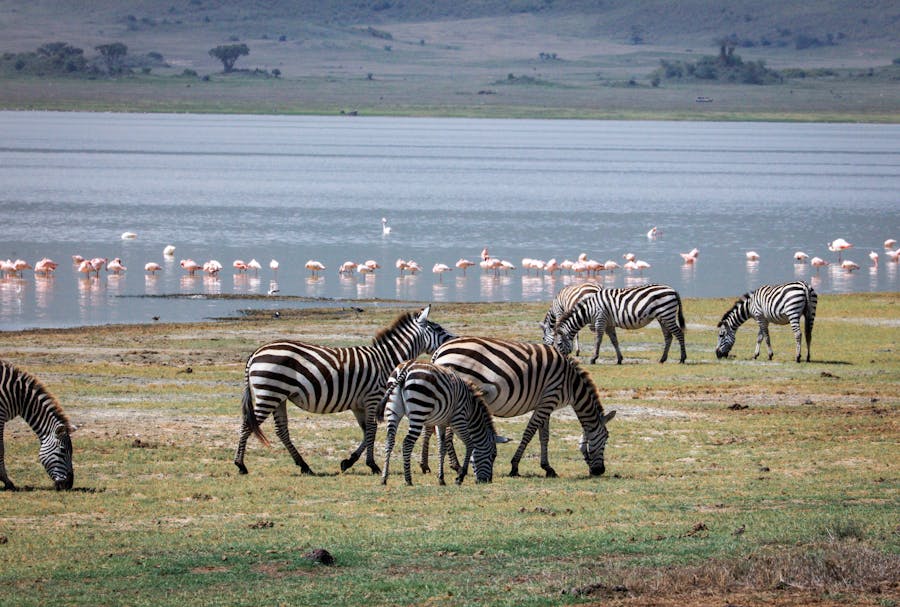
Nestled beneath the dramatic cliffs of the Great Rift Valley, Lake Manyara National Park is a compact yet strikingly diverse ecosystem. Famous for its tree-climbing lions and vast flocks of flamingos, the park packs an extraordinary variety of habitats into just 330 square kilometres.
From dense groundwater forests to open grasslands, acacia woodland, and the alkaline lake itself, Manyara offers a microcosm of East African landscapes. The lake attracts hundreds of thousands of flamingos and over 400 bird species, making it a world-class birding destination.
Plan My Manyara Safari →Wildlife: Lion, Elephant, Giraffe, Flamingo, Hippo, Buffalo, Baboon, 400+ bird species
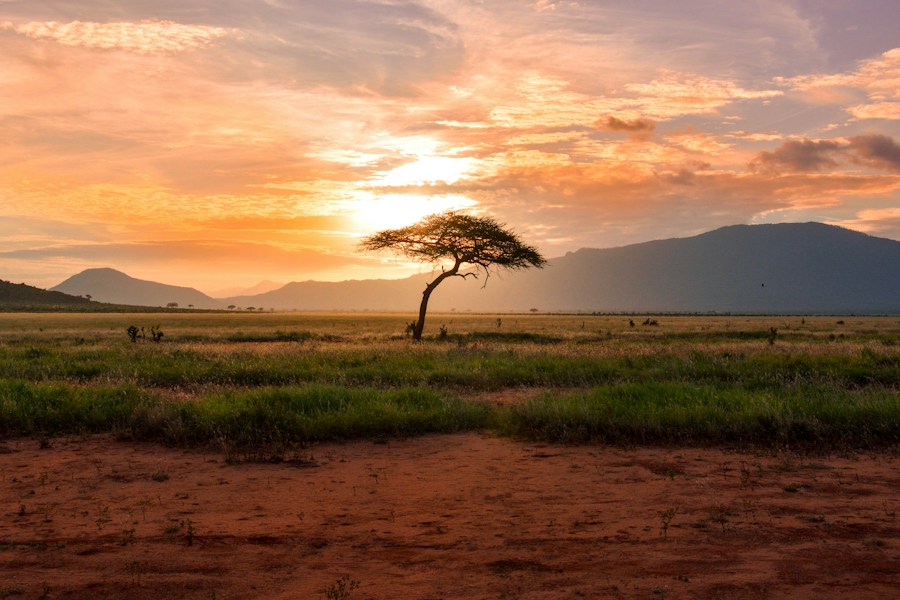
Africa's largest game reserve, the Nyerere National Park (formerly Selous) covers over 30,000 square kilometres of pristine wilderness in southern Tanzania. A UNESCO World Heritage Site, it remains one of the continent's last true wildernesses — remote, uncrowded, and teeming with wildlife.
Unlike the northern circuit parks, Nyerere offers boat safaris along the Rufiji River, walking safaris through untouched bush, and fly-camping under the stars. The reserve is home to one of Africa's largest populations of wild dogs, elephants, hippos, and crocodiles.
Plan My Nyerere Safari →Wildlife: Wild Dog, Elephant, Lion, Hippo, Crocodile, Buffalo, Giraffe, Sable Antelope, 440+ bird species